
I was in Iceland for eight and a half days, from September 28th through October 7th. I discovered something quickly that I had not learned from any pre-trip research. Iceland is not a place you casually cover. It is a place you have to pace strategically. The country looks compact on a map when you are sitting at home with a laptop and a glass of scotch, convinced you are making logical decisions. Then you land in Reykjavík, get settled, start planning your excursions, and realize that reaching some of Iceland’s most beautiful landmarks will require a ten-hour round-trip drive.
The trip was absolutely worth it. The route I took was not.
This is a guide to what I did, what I got wrong, and how I would structure the same experience now if I were advising someone else. It is not a full Ring Road itinerary. My Iceland journey spanned between Reykjavík and Diamond Beach (Fellsfjara), and that stretch contains enough wonder to fill a week… as long as you plan properly and avoid treating the country like a checklist.
The route I took, and what I got wrong
I made the classic first-time mistake of using Reykjavík as my single base of operations. I would wake up early, drive hours to see a sight, and then drag myself back to my bed in the city.
The day that broke me was the day I drove nearly five hours to Jökulsárlón Glacier Lagoon. I left before sunrise, did the lagoon, crossed the road for Diamond Beach, added a glacier hike at Skaftafell, and then drove five hours back to Reykjavík. It was an epic day. A once-in-a-lifetime experience, but exceptionally poorly executed. It was the kind of exhaustion you get when your eyes have seen too much beauty in one day, and your body has spent too many hours locked behind a steering wheel. In all honesty, Iceland deserves more respect than that. It’s not meant to be binged.
The better way to do this is embarrassingly simple: split your trip between Reykjavík and Vík. Reykjavík deserves time as a city, and it is the perfect jumping-off point for the Golden Circle. Vík is the smarter base for the south coast heavy hitters: Reynisfjara, Skaftafell, Skógafoss, Jökulsárlón, and Diamond Beach. Two nights in Vík would have turned that long day into something sustainable, and it would have given me the ability to actually enjoy the evenings instead of collapsing when I made it home.
If you want a trip that feels like an experience instead of an endurance test, you have to split your time.
Start at Silica, and you will never regret it
There’s an age-old Northeast-to-Europe problem: you take a redeye, you land at an ungodly hour, and you are forced to be a functional adult while being told you cannot check into your property until 3 pm. I planned around that by spending my first night at the Silica Hotel at the Blue Lagoon, and it was the best decision I made for the entire trip.
I drove straight from the airport to Silica, asked for early check-in, and they offered it for a fee. I paid it without hesitation. It wasn’t just access to a room. It was access to the entire experience immediately, including their breakfast buffet and their private lagoon. Before nine in the morning, I had food, shelter, and a geothermal start button for the entire vacation.
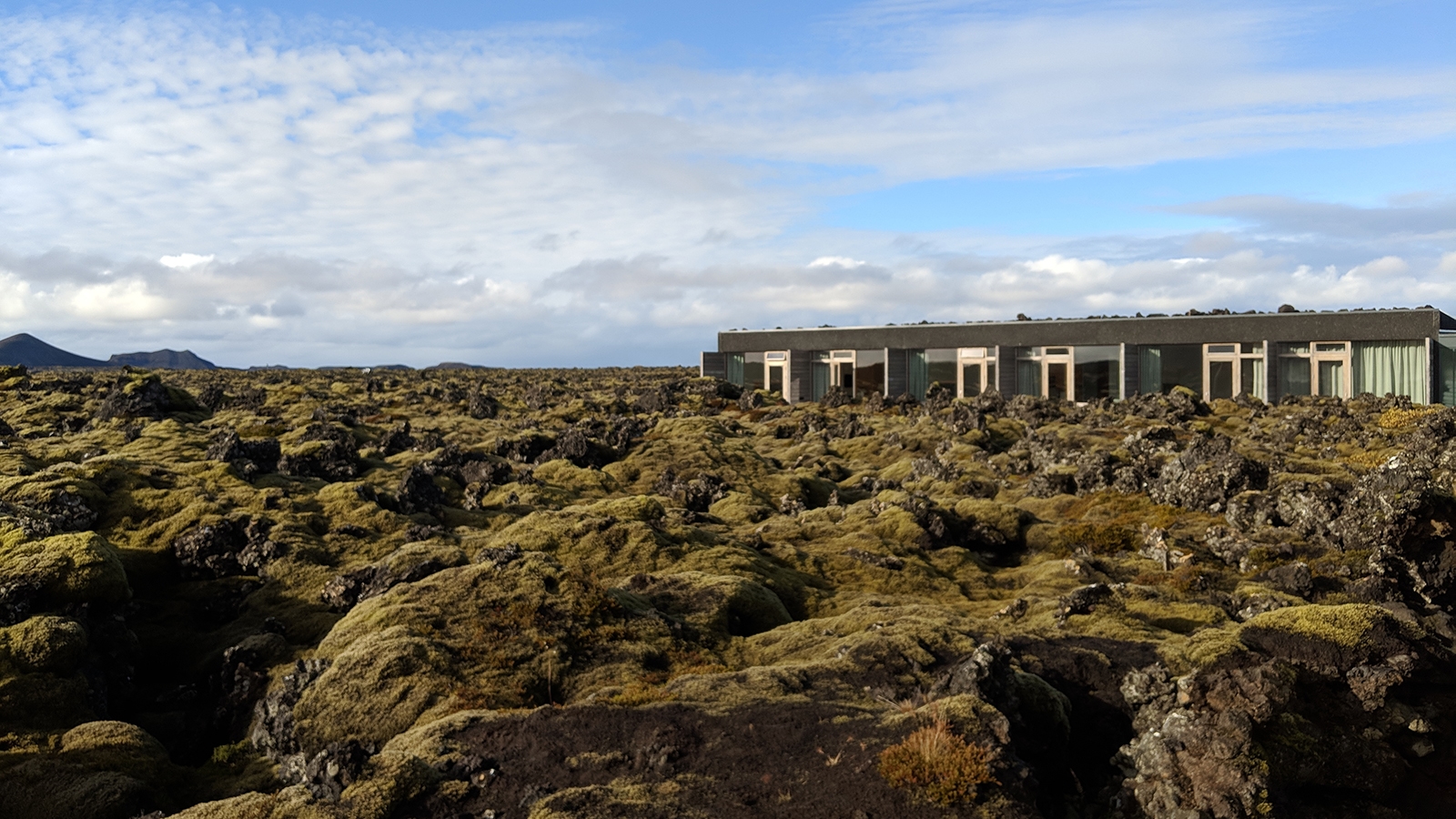
Silica sits in a moss-covered lava field that makes you feel like you landed on another planet, and that is exactly what you need when you arrive in Iceland. The room had an open patio facing the field. There were trails through the moss leading toward the public part of the Blue Lagoon. I remember standing out there and feeling my shoulders drop for the first time since the trip began. You know how exhausting and discombobulating travel days are. By going from the plane, to the baggage claim, to the rental car, to this patio… in minutes… not hours, all of that melts away.
It’s the cheat code that starts your vacation properly before you ever set foot in the Reykjavík city limits.
That first day became a full sensory recalibration: a long soak in a geothermal lagoon, a short nap, and then a gourmet dinner at Lava that I still rank in my top five of all time. It is also the only fine dining restaurant I have ever been in where patrons are casually wearing robes and slippers because they just came from the lagoon. It is both absurd and perfect, and in Iceland, it makes complete sense.
If you are landing early and you want to start your trip feeling like a human being, do this.
When I went, and what that timing means
I went in the shoulder season by design. I had no interest in the summer version of Iceland, where the sun barely sets, and the place feels like a bright, endless travel reel. I wanted a colder trip, and I wanted a chance at seeing the Northern Lights. You are told not to bet your trip on the lights, and that is good advice. I still wanted them, and I got them on my final night, which felt like the country acknowledging the effort on my way out the door.
There were between eleven and twelve hours of daylight, which did not feel dramatically different from home. The bigger impact wasn’t the light; it was the weather. I had heavy rain days, wind days, and days where the elements felt like a living thing you had to negotiate with rather than endure. I packed accordingly, and I’m glad I did. Waterproof winter hiking boots. Rain pants. Rain jacket. Wool base layers. This is not the place to gamble with flimsy gear unless you enjoy being cold, wet, and miserably resentful.
The one weather reality I was not prepared for was that rain in Reykjavík can translate into heavy snow in the mountain passes as you head toward the south coast. I was in a front-wheel drive hatchback and had to do some unexpectedly serious snow driving. It was manageable, but next time I would choose AWD for the peace of mind alone.
On the day I visited Reynisfjara, the black sand beach, the weather was absolutely hostile. Driving rain. Sustained, hurricane-force wind. And I wouldn’t change it. Iceland’s mood is part of the point, and the beach felt more real because it wasn’t being presented in postcard conditions. The weather made the experience even more memorable. But I could never say that if I wasn’t properly equipped for what Mother Nature was throwing in my face.
If you go in shoulder season, go because you want Iceland to feel like Iceland, not because you want to save money and hope for the best. The shoulder season isn’t easy or accommodating, but it is authentically Icelandic.
Driving in Iceland is not casual
I rented a manual “VW Golf type” car and ended up with an orange Kia C’eed, exactly like Top Gear’s Reasonably Priced Car. As a fan, I was elated. It was front-wheel drive, virtually brand new, and it got the job done. The win was that driving stick saved me hundreds. Like most European countries, automatics are stocked for Americans who can’t drive manuals, and you pay exorbitantly for that convenience.
I did spring for extra insurance, which I usually decline, but Iceland is one of those places where broken windshields and cracked headlights are common from flying stones, and I wasn’t interested in spending my vacation bargaining with a rental company. This was one of the rare occasions where research proved that the peace of mind was worth the cost.
Driving there is a mix of delightful and exhausting. The landscape is so foreign that it can feel like you are driving through an alien film set. It reminded me of Arizona the first time I drove through the desert toward Las Vegas, that same sensation of being somewhere so visually different that your brain keeps trying to make sense of it and failing.
Long driving days are fine when the scenery is new, and you have opportunities to stop. That is why the Golden Circle feels manageable. You are driving in stints with long breaks to stand in front of something that makes you forget you were ever in the car. Reykjavík to the Glacier Lagoon and back is a different kind of driving. It is hours where the “newness” becomes an exercise of endurance. It’s not impossible, but it is not recommended.
How I would structure the same trip now
If I were doing this again, I would start the same way: land, pick up the car, and go straight to Silica for one night. It is the easiest way to turn a redeye landing into something that feels like a deliberate choice instead of something to endure.
After that, I would go to Vík first. It is closer to the Blue Lagoon area than Reykjavík is, and it makes the south coast sites feel reachable instead of punishing. By the time you arrive, it is check-in time, and the transition is smooth in a way that matters when you are in the first days of your trip.
From Vík, you can visit Reynisfjara and Skógafoss on the first day, because it is close and it lets you feel the south coast immediately. The second day becomes your big nature day: Jökulsárlón Glacier Lagoon, Diamond Beach, and a guided glacier hike at Skaftafell. That is a real day. You will sleep like a brick afterward, which is exactly what you want.
After checking out, you head for Reykjavík, settle into your Airbnb, and let the trip change shape. Reykjavík is where you blend city life with self-guided nature days that don’t require a predawn departure.
This is the point where all the heavy lifting is done, and Iceland starts to feel like a rhythm rather than a sprint.
Reykjavík, when you actually give it time
Reykjavík is not just a staging area. It is a destination with enough texture and culture to justify multiple days, especially in shoulder season when the weather can turn a day in the city into a gift.
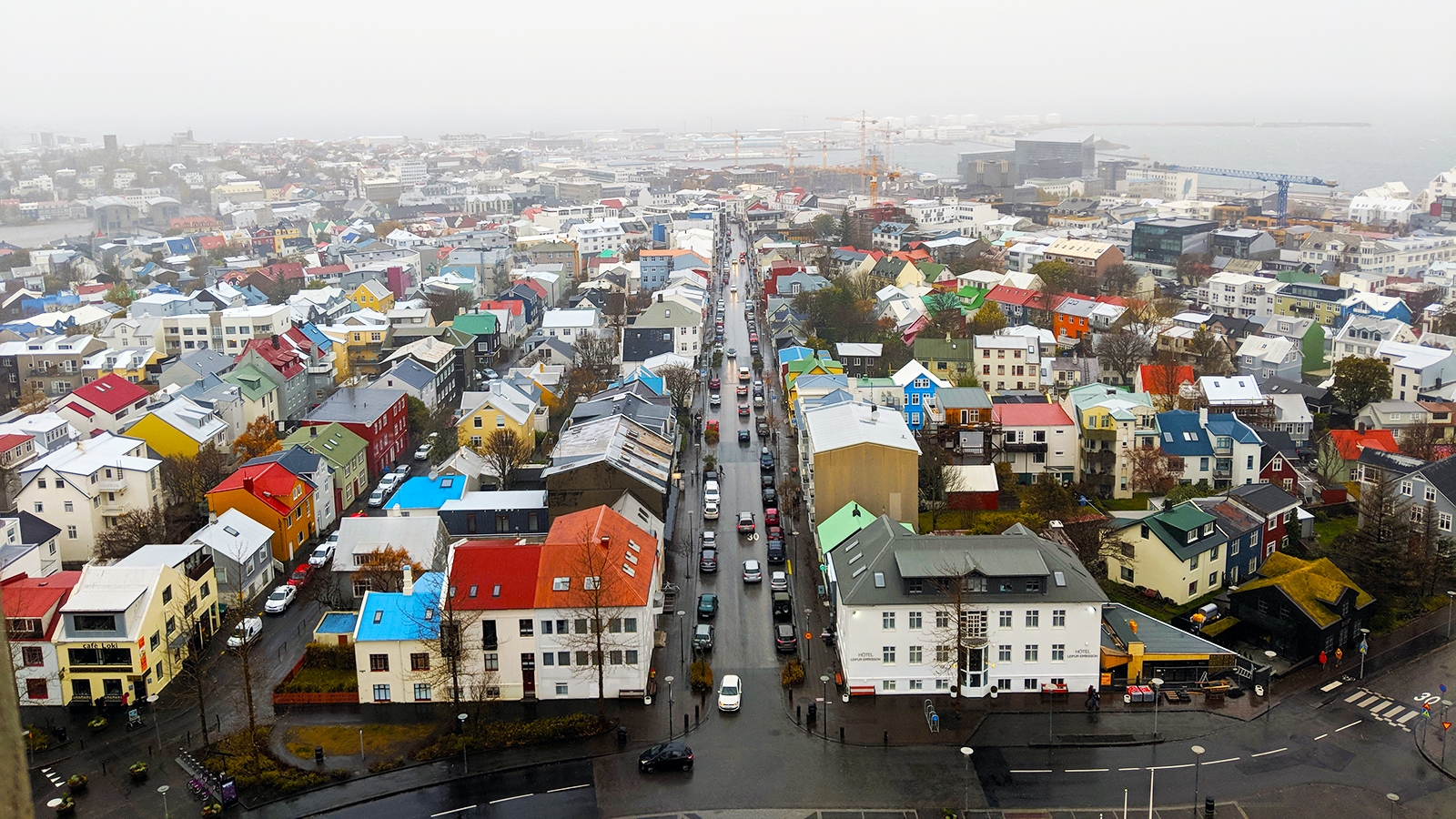
Walking Laugavegur, the main drag, is half the fun. Shops, galleries, restaurants, and the kind of Main Street energy that makes you want to buy things you do not need. Hallgrímskirkja Cathedral is a must, and going up the spire gives you a clear view of the city for unforgettable photos.
The Old Harbor area is worth wandering, and Kolaportið flea market is one of those places that makes you feel like you’ve found the real city under the tourist layer. It’s only open on weekends, so it’s a planning detail that matters.
I also loved having one “bad weather” activity, and the Icelandic Phallological Museum delivered exactly what you think it will deliver. It’s weird. It’s funny. It’s strangely educational. It is also the perfect way to kill an hour when the rain is coming sideways, and you’re not interested in fighting the wind.
Reykjavík’s food scene is genuinely excellent, and I had more good meals than mediocre ones. I have a running list of favorites that I still think about. Café Loki was a great spot for a date night, and they have a fantastic Negroni. Le Kock had amazing burgers, but you’ll be talking about the Greek Potatoes for years. Looking for breakfast? Brauð & Co is a bakery you’ll never forget. Valdís will have the ice cream flavors you won’t find anywhere else on the planet. ROK has exceptionally elevated traditional Icelandic fare and cocktails. Hot dogs are a big deal in Iceland, and the best Icelandic hot dogs are at Baejarins Beztu Pylsur. Iceland excels at seafood. I love fish and chips, and the Fish and Chips Vagninn cart located at Old Harbor won’t let you down. Finally, the best meal you may find in Reykjavik might just be at the unassuming Fish&Co food cart that only serves one dish: pan-fried cod. It can usually be found near Hallgrímskirkja church.
My First Excursion from Reykjavik
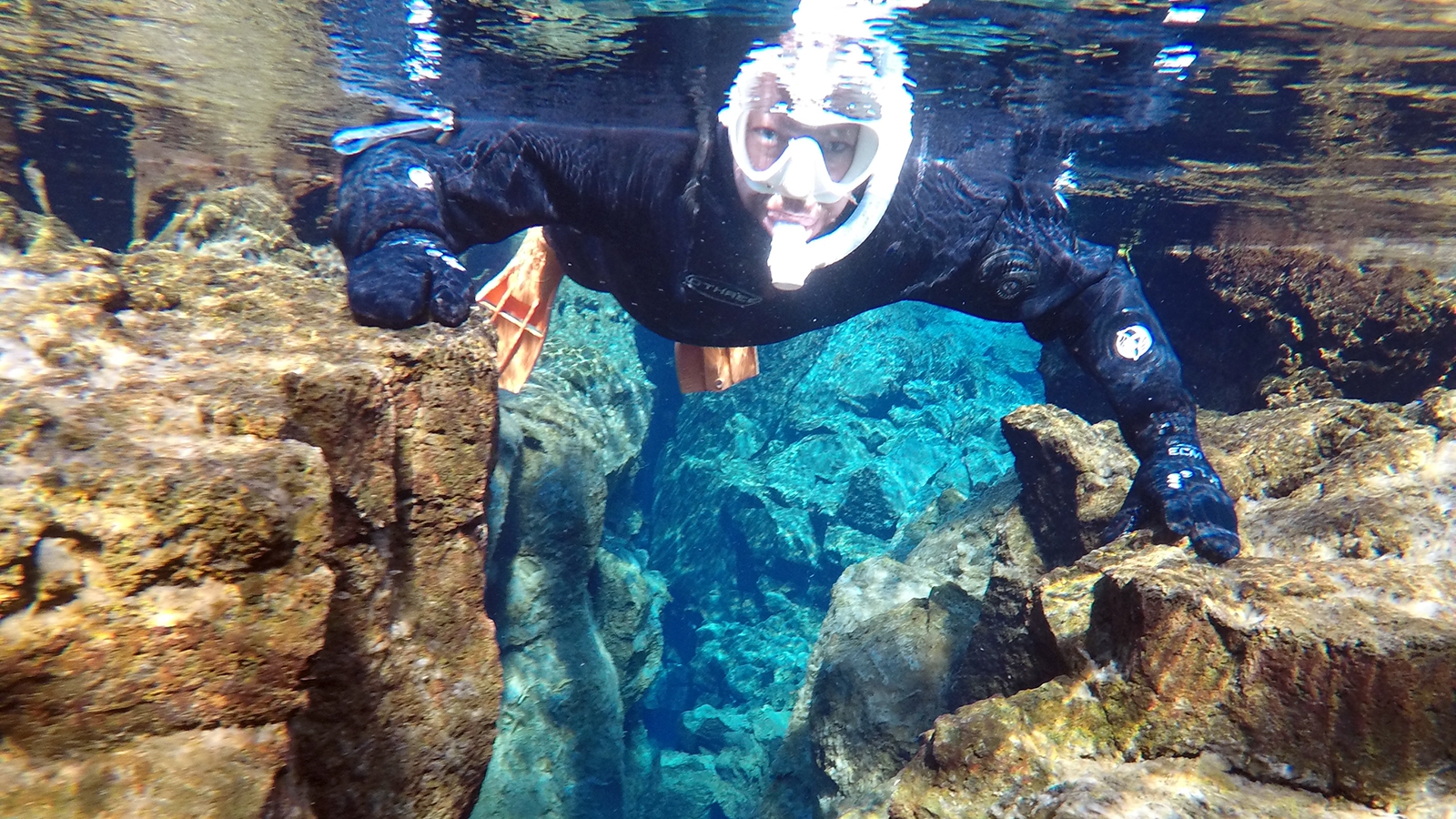
The most singular experience I had near Reykjavík was a trip to Þingvellir National Park and snorkeling at Silfra, which I treated as its own day rather than a stop on the Golden Circle tour. Drifting between tectonic plates in glacial water with crystal clear visibility that feels impossible is something you do once and then measure other experiences against forever. It seems counterintuitive to go snorkeling in Iceland, but your body is protected in a dry suit, and the exposed part of your face goes numb almost immediately. You feel like you’re floating through a fracture in the planet. It’s a truly unforgettable experience run by Troll Tours, and the photos they provide will be lifelong keepsakes.
After Silfra, I hiked around Þingvellir, and it deserves more than the half-hour many people give it on a packed Golden Circle day. It is both historically significant and geologically stunning, and it is one of the few places on earth where you can see the Mid-Atlantic Ridge above sea level.
Devoting an entire day to Þingvellir is not filler. It is one of the pillars of the trip.
The Golden Circle Isn’t Hype… It’s Mandatory
I have a low tolerance for stereotypical travel staples, but the Golden Circle is not one of them. It is absolutely worth a day, and it is necessary for first-timers because it teaches you what Iceland does best: raw geology on display, easily accessible, stunningly dramatic.
I started with the Geysir geothermal area. Strokkur erupts every five to ten minutes, and it never stops being fun. You watch the water swell and then launch over a hundred feet in the air. I watched the Geyser erupt 4-5 times, taking pics from various angles. The trails up the hill behind the geyser had amazing views of the surrounding countryside.
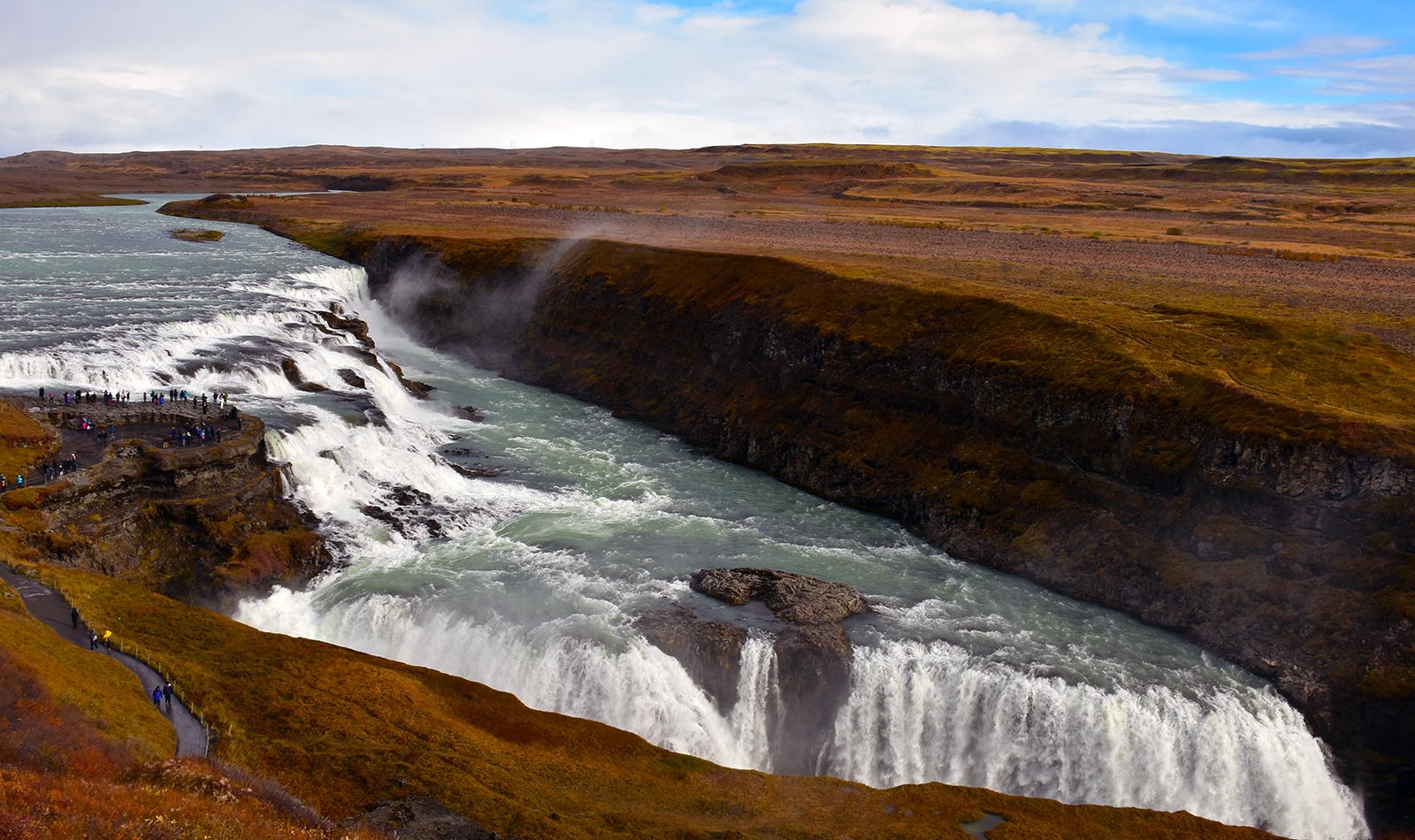
From there, I headed to Gullfoss. Gullfoss is a two-tiered waterfall and a central pillar of the Golden Circle. It is one of the most visited natural wonders in the country. It is loud, powerful, and photogenic from every angle, but it also has that feeling of being too big to fully hold in your mind, as if the earth itself has split open.
The next stop, Kerið crater, was a surprise favorite. The contrast between the red volcanic rock and the aquamarine lake looks almost manufactured, like someone dialed the saturation too high. Friends told me my photos of the crater looked like they were CGI. Walking the rim, then walking down toward the water, is one of those simple experiences that stays with you longer than you expect.
If I were advising someone, I would still suggest splitting the Golden Circle into two days by giving Þingvellir and Silfra their own dedicated day, then doing Geysir, Gullfoss, and Kerið on another. It creates a better balance between immersion and fatigue, especially if you’re traveling in colder weather.
The south coast stops that are worth the trek
This is where the trip starts to feel like Iceland as people imagine it: black sand, waterfalls, cliffs, glaciers, and the kind of scenery that makes you jaw drop.
Reynisfjara is world-famous for good reason. Hexagonal basalt columns, sea stacks, and a black sand beach that looks like it belongs in a fantasy movie… because it has been. Reynisfjara has been used in film and television because it looks so otherworldly. It is also dangerous.
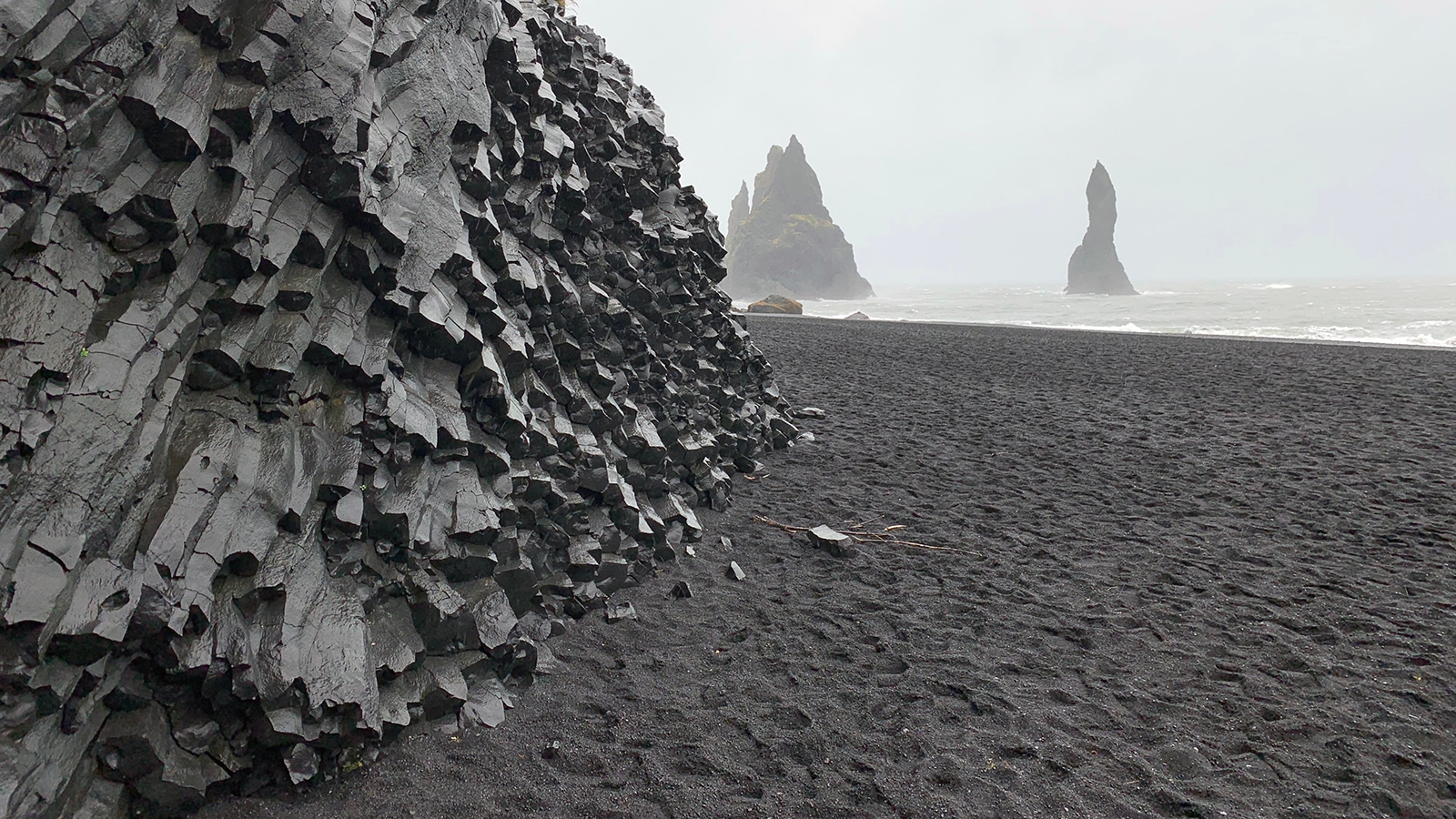
Sneaker waves are not a cute travel warning. They are the reason people die there. You do not turn your back on the ocean. You do not get close to the waterline because it looks calm. You stay alert, and you treat the Atlantic like a predator, because at Reynisfjara, it is.
I also learned while researching this piece that the beach has undergone significant erosion and collapse in early 2026, including damage to basalt formations. That matters because Iceland is not a static postcard. It is alive and shifting. The same forces that make it beautiful are the forces that rearrange it.
Skógafoss is a gorgeous waterfall not far from Reynisfjara. Huge, rectangular, relentless. The mist creates rainbows constantly, and if you climb the stairs to the top, the view makes the whole coastline feel like it’s unfolding beneath you.
Jökulsárlón Glacier Lagoon is the crown jewel. This is the stop that justifies the drive, the planning, the fuel, and the time. The scale is almost difficult to process when you first arrive. Icebergs drifting in still blue water, mountains framing the horizon, and seals moving through it all like they own the place. It is cinematic, yes, but it is also still and peaceful. The lagoon is enormous and tranquil, and you will spend quite a bit of time marvelling at it all.
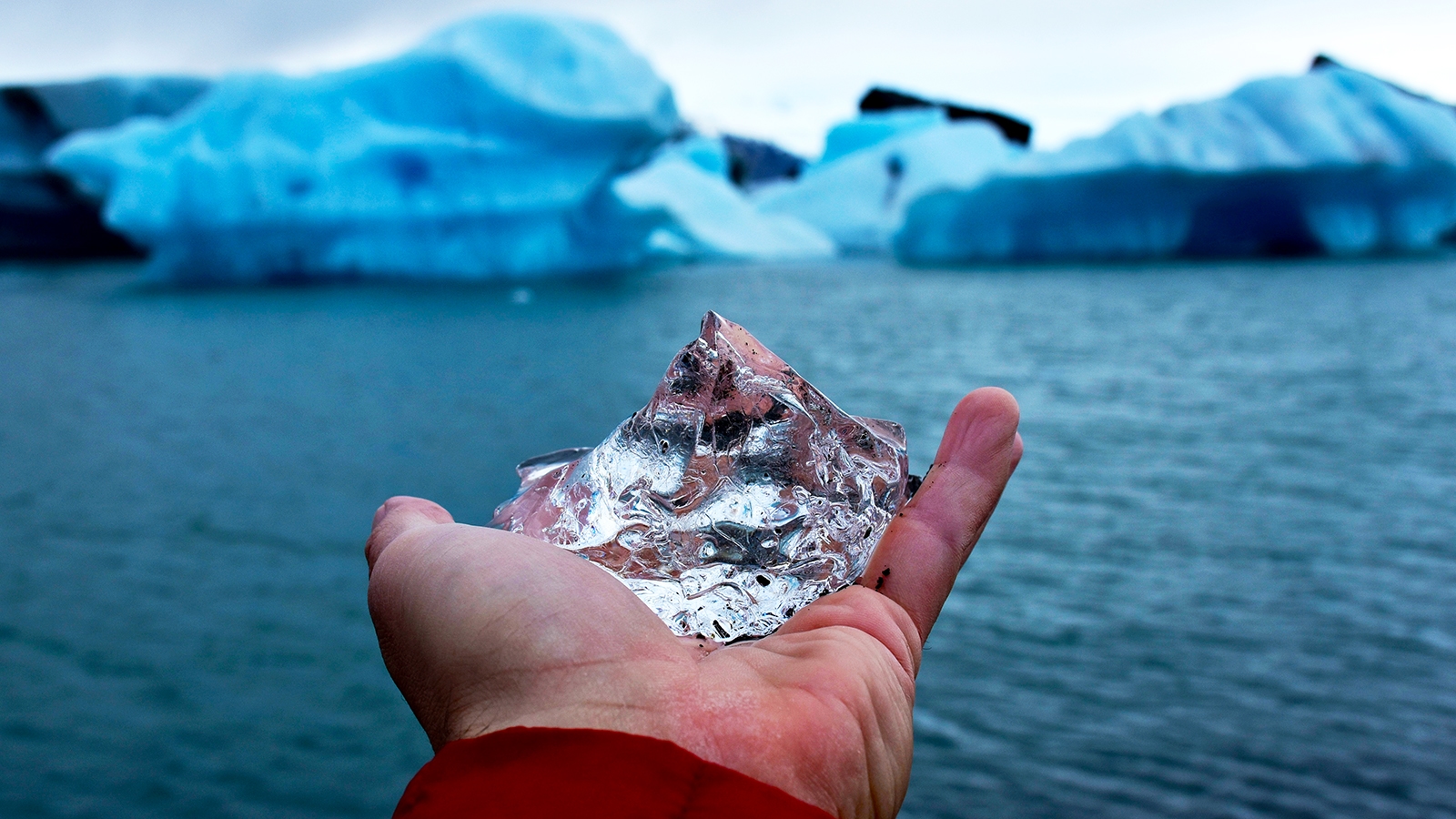
Diamond Beach is directly across the road, and it looks different every day. Ice fragments wash up on the black sand and glisten like scattered glass. It’s worth the stop, and it’s worth the time, but the lagoon is the showstopper.
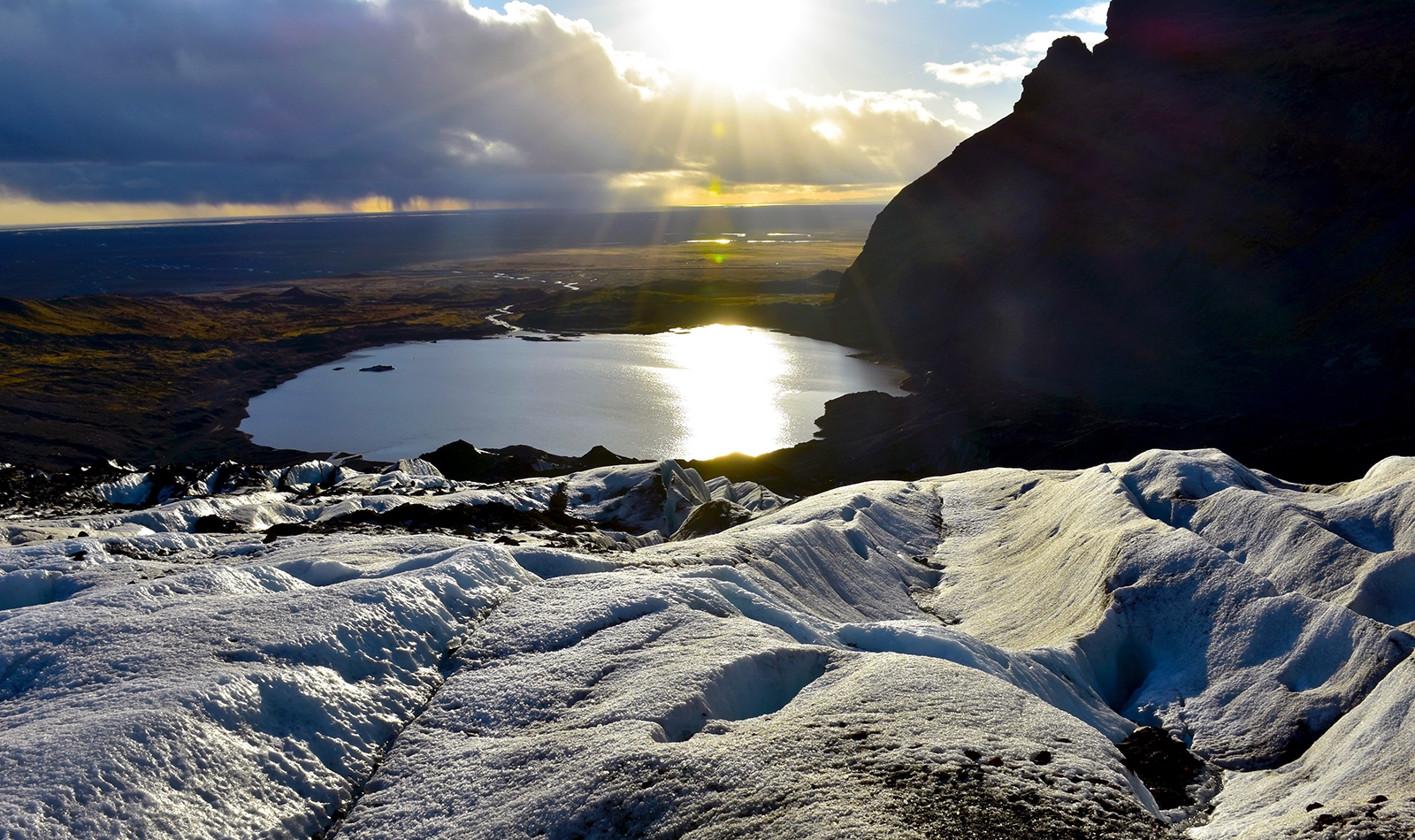
Skaftafell glacier hikes are a separate kind of experience. It is not just “a hike.” It is gearing up, learning how to walk on ice, trekking up steep inclines that look harmless until you’re doing them, and then standing on a glacier and realizing how small you are. It was marked as an easy hike, and I would not recommend it for the elderly, but if you are able-bodied and you want to touch the landscape rather than just photograph it, it is one of the most memorable things you can do. Tours are available through companies like Troll Expeditions and Arctic Adventure
Food on the route, and how to not get stranded hungry
When you start driving long distances in Iceland, you quickly learn that you cannot rely on stumbling into meals. There are stretches where civilization simply disappears. The move is to pack snacks, bring water, and treat food like a practical part of your itinerary instead of something you’ll “figure out.”
Having an Airbnb with a kitchen helps. It offsets costs, and it’s also genuinely fun to grocery shop in a foreign country. Iceland is expensive, but you can choose where to spend the money. Spending it on a great meal in Reykjavík feels good. Spending it on emergency junk because you didn’t plan ahead feels stupid.
After the Glacier Lagoon, Diamond Beach, and the glacier hike, I was starving, and the Soup Company in Vík was exactly what I needed to be: hot, hearty, and uncomplicated. Soup in a black bread bowl after being outside all day is not a subtle pleasure. It is a primal one.
Food on the route, and how to not get stranded hungry
When you start driving long distances in Iceland, you quickly learn that you cannot rely on stumbling into meals. There are stretches where civilization simply disappears. The move is to pack snacks, bring water, and treat food like a practical part of your itinerary instead of something you’ll “figure out.”
Having an Airbnb with a kitchen helps. It offsets costs, and it’s also genuinely fun to grocery shop in a foreign country. Iceland is expensive, but you can choose where to spend the money. Spending it on a great meal in Reykjavík feels good. Spending it on emergency junk because you didn’t plan ahead feels stupid.
After the Glacier Lagoon, Diamond Beach, and the Skaftafell hike, I was starving, and The Soup Company in Vík was exactly what I needed to be: hot, hearty, and uncomplicated. Soup in a black bread bowl after being outside all day is not a subtle pleasure. It is a primal one.
What it costs, honestly
Iceland is expensive in the way remote islands are expensive. Things need to be imported. Fuel is high. Alcohol is high. Tours are not cheap. It’s not shocking if you’re used to expensive places, but it will still get your attention if you’re not.
The good news is that Iceland also gives you plenty of world-class experiences that cost nothing. Many of the most jaw-dropping stops are simply there, waiting for you, free, with only parking and time as the price of entry.
Who this version of Iceland is for
This route is excellent for first-time travelers who want a strong mix of city, geothermal indulgence, and south coast spectacle. It’s for photographers. It’s for people who like road trips and don’t mind long drives as long as the reward is real. It’s for couples who want romance and drama without needing a resort to manufacture it.
I cannot imagine doing this trip with small children, not because Iceland is unfriendly, but because the weather and the distances make the logistics heavy. Iceland demands respect. If you are the kind of traveler who treats nature like a set for your personal photo shoot, you will not do well here. The moss takes centuries to grow. Stay on the trails. That rule exists because there is a fragility that comes with all the beauty.
The Final Takeaway
Iceland is not a soft trip.
It asks for planning. It asks for patience. It asks for respect for distance, weather, and terrain. If you rush it, it will exhaust you. If you pace it, it will reward you in ways that are difficult to explain to someone who hasn’t stood in front of a glacier lagoon and tried to make sense of its size.
The stretch from Reykjavík to Diamond Beach is long and at times demanding. But when you structure it correctly, splitting city and south coast, allowing the landscape room to breathe, it becomes something else entirely. The drives feel purposeful instead of punishing. The stops feel immersive instead of hurried.
You don’t leave Iceland relaxed in the way you would a tropical vacation. You leave sharpened. You leave aware of how small you are in the best possible way. You leave with images burned into your mind that don’t fade when the jet lag does.
And if you do it right, you leave knowing you will return. Not to repeat the same trip, but to experience a different season, a different light, a different mood of the same relentless, rewarding island.