
Shortly after landing on Kauai, you realize it’s not like the other Hawaiian islands. You start noticing what isn’t there. There are no multilane highways cutting through the island. There are no clusters of high-rise hotels. There’s no feeling that the place has been built to handle mass crowds of tourists. After spending time on Oahu, where you can find yourself on a six-lane road wondering how you ended up on something that feels like an interstate, Kauai feels like a complete reset to a slower… simpler state of being.
There are towns, but they feel like villages, not cities. Everything is smaller, more local, more connected to the people who actually live there. Shops feel like they’re owned by the person behind the counter. Restaurants don’t feel transactional; they feel like gathering places for the community. Even the supermarket has a personality to it.
And then there’s the people. Friendly in a way that doesn’t feel rehearsed, but is completely genuine. Chatty, not in an intrusive way, but because they enjoy the opportunity to interact. It’s easy to quickly fall into that vibe, and once you do, it will set the tone for the entirety of your stay.
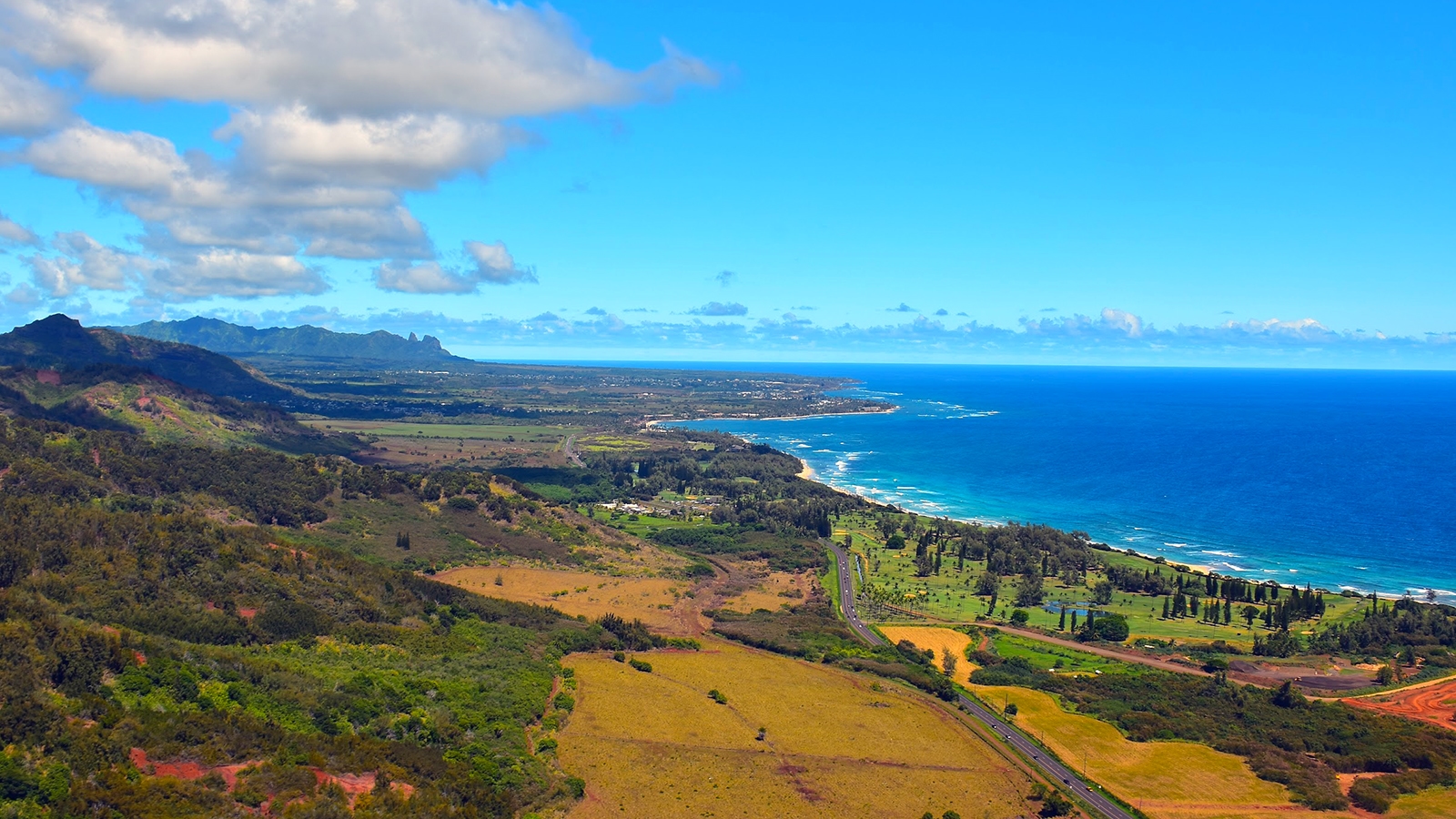
You Can’t Just Wing It In Kauai.
That difference in how less developed Kauai is when compared to Oahu or Maui has a profound effect on how the island operates.
Kauai moves at its own pace, and it requires you to adjust to that pace. The restaurants close earlier than you expect. There aren’t endless backup options if something falls through. If you wait until you arrive to figure things out, you’re going to run into problems that could have been entirely avoided.
You just have to plan ahead.
Restaurant reservations aren’t something you can take care of on arrival. They need to be part of booking the trip itself, right alongside flights and where you’re staying. The food scene is strong, but it’s limited in capacity, and the demand is constant.
Where you stay matters just as much. I rented a two-bedroom condo in Princeville with a full kitchen, and that ended up being more important than I expected. When the island starts to wind down for the night, having your own setup changes everything. You’re not scrambling for what’s still open or settling for whatever you can find.
You’re just home. And just because Kauai calls it a night doesn’t mean you have to.
And yes, that means you’ll spend time stocking up in the supermarket. For me, that was Foodland in Princeville. I was there multiple times during the week, grabbing groceries, liquor, picking up prepared food, and restocking for the next day. It becomes part of your island routine in a way that doesn’t feel like a chore. If anything, it helps you feel like part of the community… more settled in.
You can’t show up to Kauai and figure it out as you go. The planning has to start before you get there.
How the Week Takes Shape
I didn’t go into Kauai without a plan, but I didn’t build a rigid itinerary either.
Before the trip, I made a list of the things I wanted to experience. Specific beaches, towns, and a few anchor activities. Glass Beach, Poipu Beach Park, Tunnels Beach, Hanalei, Queen’s Bath, Kapaʻa, and the helicopter tour.
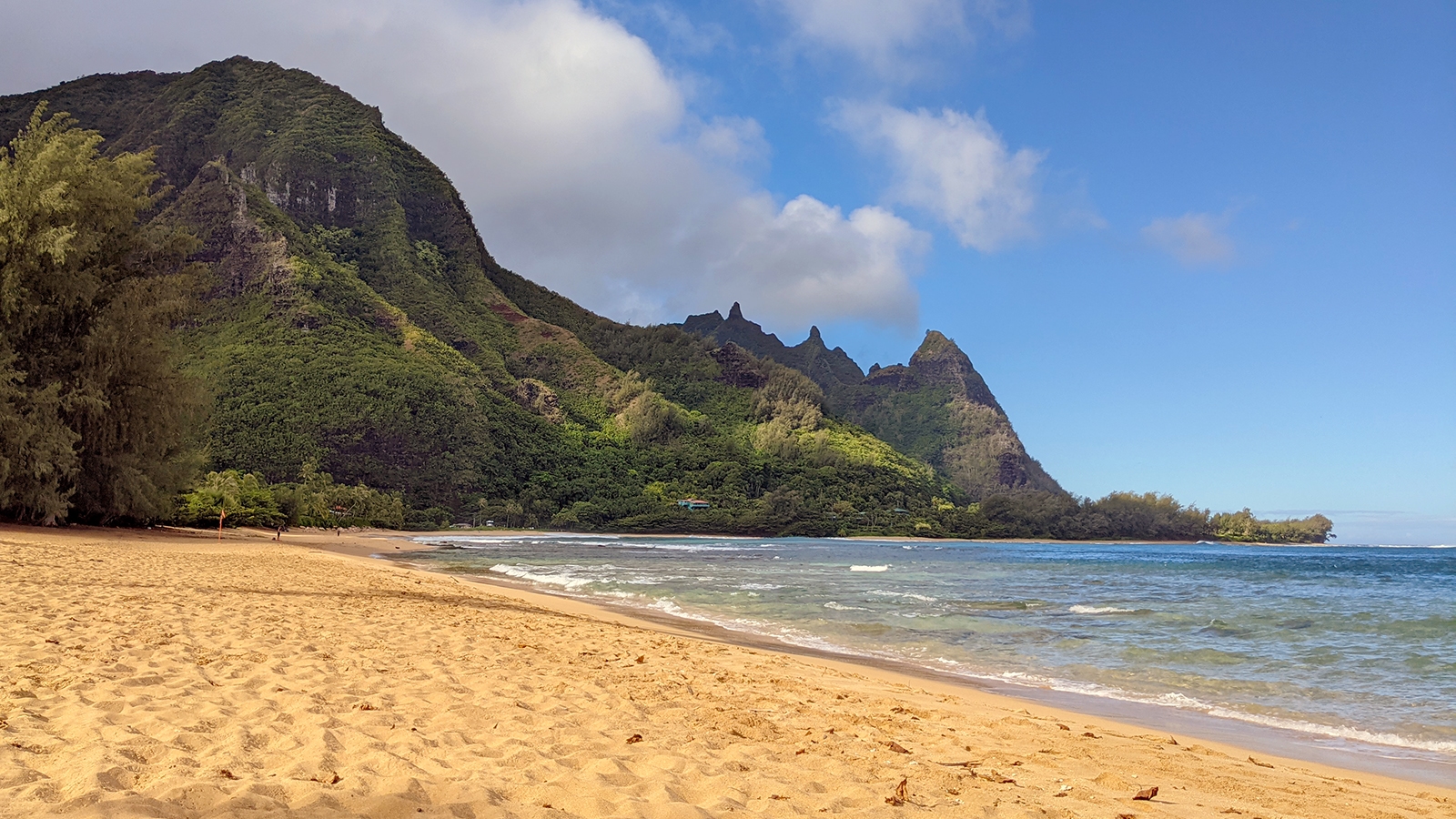
Once you have that list of things that are musts, everything else starts falling into place around them.
You’re not mapping out every hour, but you are setting up a framework for your days. You know the places that matter most to you, and that will shape how and when you move about the island. It even shapes what you pack. Queen’s Bath, for example, isn’t something you can show up to in flip-flops and hope for the best. You need to be prepared for it.
At the same time, Kauai doesn’t demand an aggressive schedule. You don’t need to be up before sunrise just to access something worthwhile. If you want to sleep in, you can. The pace is forgiving.
The only real constraint is knowing that your evenings have a natural endpoint. Towns shut down early, and nights wind down quickly. If you don’t incorporate that into your planning, it could catch you off guard.
Building Days That Make Sense
The way to handle Kauai is to think in terms of geography. If you’re going to make a drive, you build a day around it.
Staying in Princeville on the north shore meant that anything on the south side of the island was going to be a commitment. The drive was about an hour and twenty minutes each way, so when I went south, I made it count. One day turned into Glass Beach, then Poipu Beach Park, then dinner at The Beach House. One drive down, multiple experiences, one drive back, and that area of the island was checked off the list.
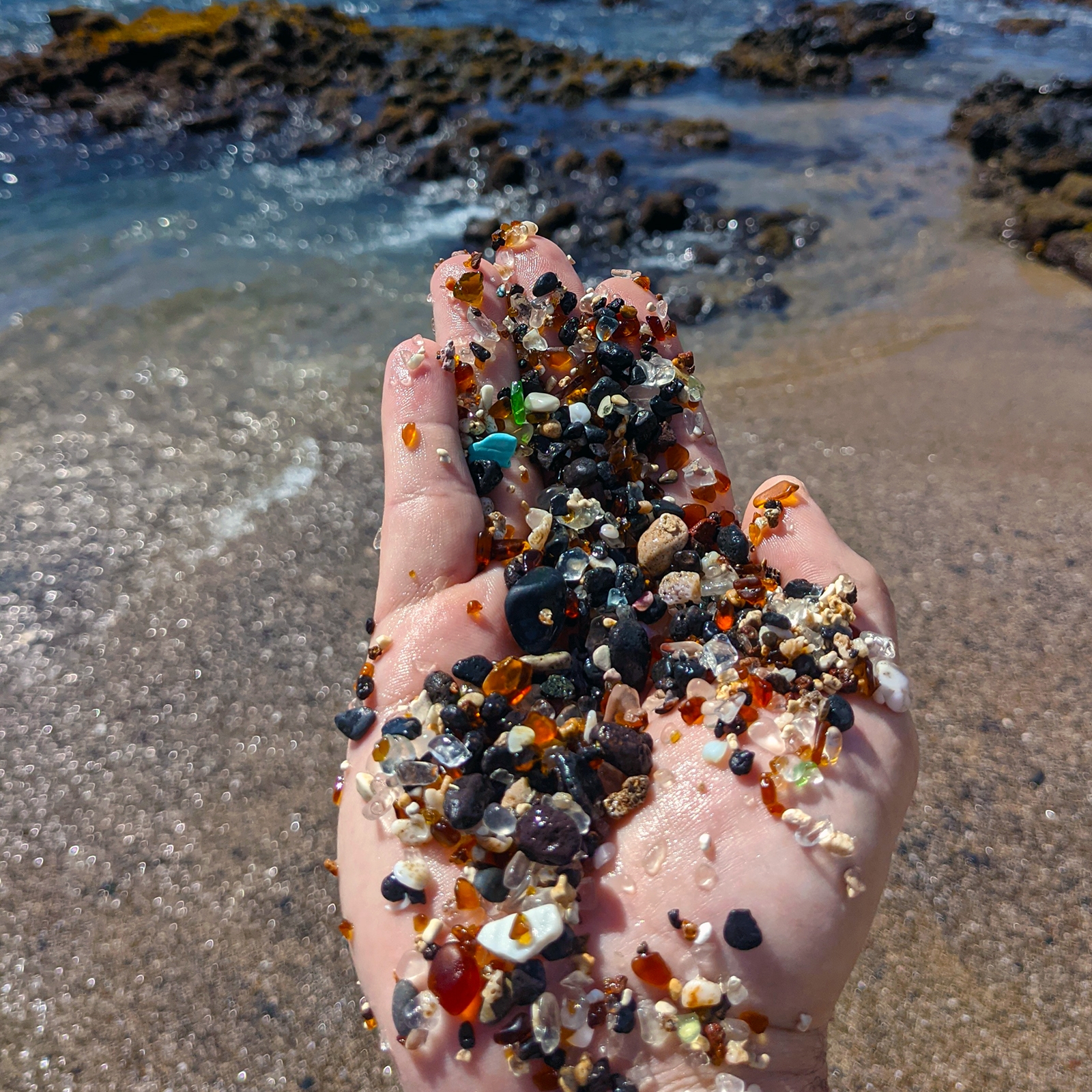
Another day was built around Tunnels Beach. It’s not easy to find, and the spotty cell service and GPS don’t help. You pass the turn more than once before realizing where you’re supposed to be. The road has signs saying it’s for residents only, which doesn’t help your confidence. But once you figure it out, you understand why people go out of their way to get there. It’s quiet, virtually devoid of other people, and exactly what you were hoping a beach in Hawaii would be.
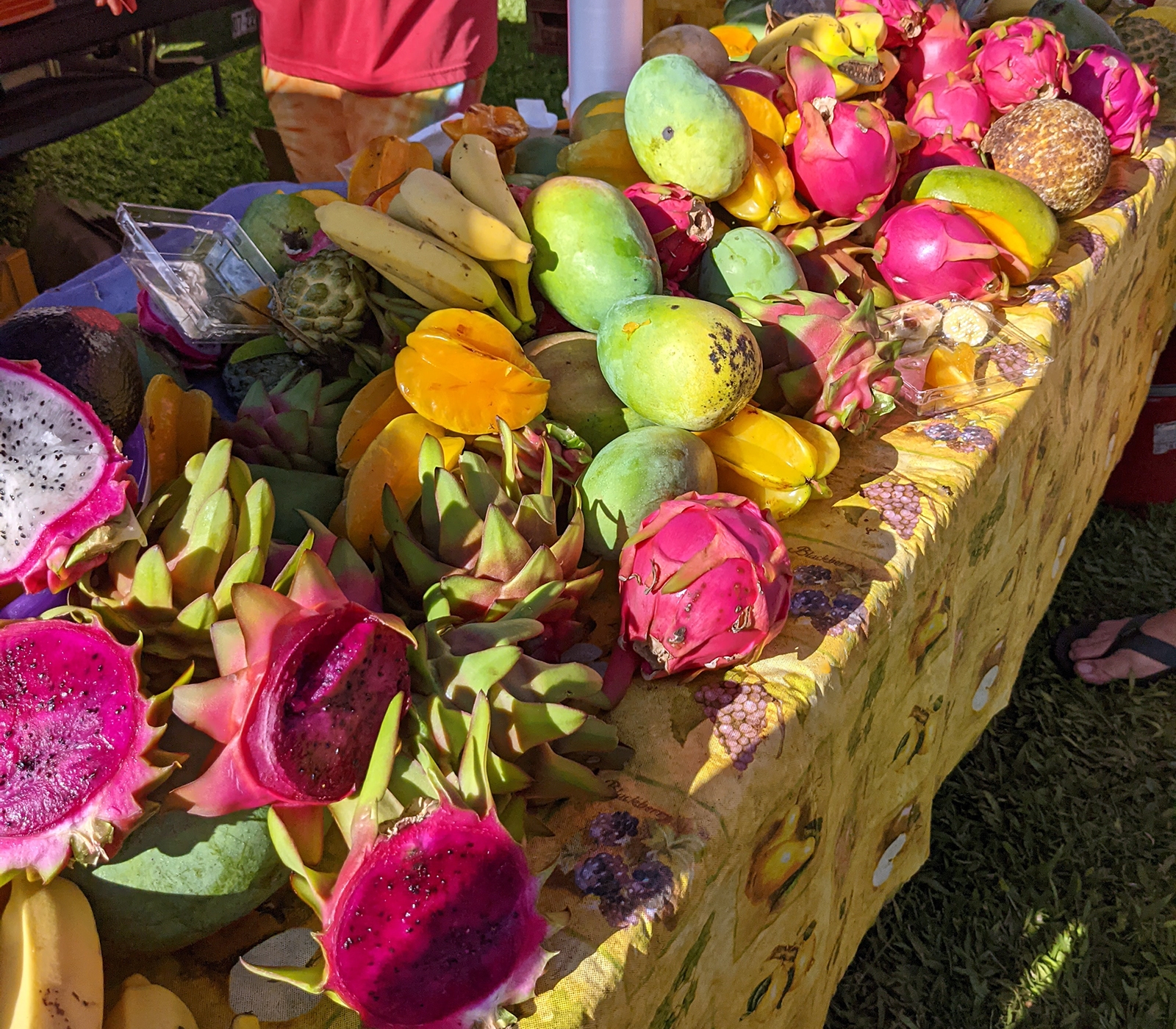
On the way back, that turned into a stop at the Waipa Farmer’s Market, which ended up being one of the more local-feeling experiences of the trip. The market features over 20 stalls offering organic produce, tropical fruits, local meats, souvenirs, and artisanal crafts like jewelry and pottery. Tourists mingle side by side with the locals. The market is only open from 2 pm to 5 pm on Tuesdays, locking down exactly what we would be doing that day.
The helicopter tour out of Lihue became its own day as well. That part of the island opens up a completely different set of options, so it made sense to pair it with time in Kapaʻa. Walking the main street, making our way through the boutiques and shops, grabbing lunch at the food truck lot, and ending the day with dinner at JO2.
And then there’s Hanalei, which becomes almost automatic when you’re staying in Princeville. Beach during the day, a break for lunch, back to the water, then shops and dinner to close things out.
When you break down the trip into chunks like that, the days feel full without ever feeling frantic or overwhelming.
Tackling The Queen’s Bath
Queen’s Bath is one of those places that sounds simple until you’re actually there. After all the blog articles, all the posts on travel forums, the guides, you’ll think you’re ready for it. But you won’t get it until you park your car and get on the trail.
It’s… a lot.
On paper, The Queen’s Bath is a natural tide pool carved into a lava shelf along the coast in Princeville. In reality, getting there is a big part of the experience.
The trail down is short, less than a mile, but it’s not easy. The ground is uneven, the mud is thick, and the footing is unreliable. It’s the kind of environment where you have to pay attention to every step. You couldn’t rush it, even if you wanted to.
What you wear matters. This is not a time for flip-flops. You need shoes with laces and tread, but also shoes that you understand will be positively wrecked in Kauai’s red mud. What you bring matters. Like having enough water, something to clean up with when you get back to your car. And something to put your muddy shoes in to avoid making a mess in the rental. And a pair of sandals to wear for the drive home. You have to be prepared when undertaking an activity like this.
There’s a shared understanding on that trail. People help each other through the rough sections, offering a hand when it’s needed, stepping aside to give someone space to move through. These gestures happen automatically because everyone on the trail recognizes how serious it is, and you’re all in it together.
When you finally reach the lava shelf, the trail disappears completely. You’re out in the open, with the ocean on one side and dense green behind you. There’s no clear path, no signage, and if there’s nobody to follow who knows the way, you won’t know where to head. It turns out the correct direction is to the left.
I asked someone which way to go heading back up the trail, and she pointed us in the wrong direction. I’ll never know if it was intentional, but it took longer than I’d like to admit before we realized it. Out there, that matters. You become very aware of how exposed you are. Reports say 30 people have died visiting The Queen’s Bath, usually swept away by rogue waves. But eventually my intuition told me to head back, and I was glad it did.
Turning back and finding the correct path resets everything, and we were able to make our way to the bath.
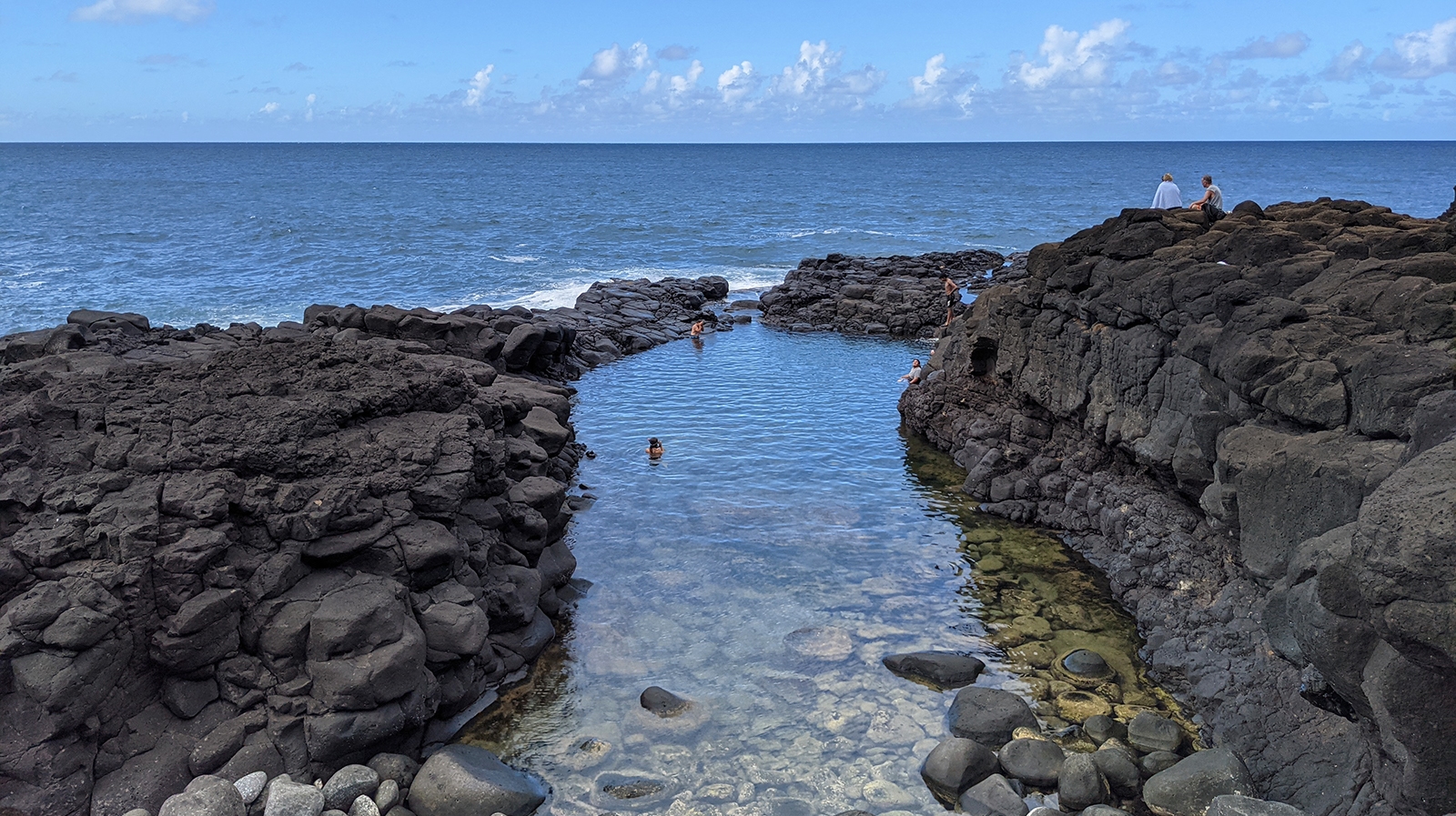
When the conditions are right, it’s exactly what you hoped it would be. The pool is filled with clear water, warmed by the sun. Dozens of species of tropical fish move through the pool, making for great snorkeling. It feels separate from the ocean just beyond it, like a tranquil aquarium made by Mother Nature herself.
There’s a ledge where people make a 10-foot jump into the pool. If you’ve made it that far, you’re probably going to do it.
Making the trek to The Queen’s Bath is absolutely worth it as long as you understand it’s not something to take lightly. The conditions dictate everything. If the gates at the trailhead are closed, you don’t go. Full stop. They’re closed for a reason, and it’s not safe to go down. If you get down to the lava shelf and the ocean is rough, you don’t push it, and you never turn your back to the water.
But when it’s safe, and everything lines up, it’s one of the most unique experiences on the island.
It’s also one of the things that you can do there, that once successfully completed, you genuinely feel like you earned.
It’s one of the few things on the island that you don’t just experience. You earn it.
Seeing Kauai for What It Actually Is
Before I ever got on the plane, I knew one thing about Kauai that ended up shaping the entire trip. The vast majority of the island isn’t accessible by car.
That fact came from someone I trust, who was born in Hawaii, and once I looked into it, the facts held up. Depending on how you measure it, somewhere between seventy and ninety percent of the island has no road access. What you see from the ground is only a fraction of what’s actually there.
So the decision was easy.
If there was one thing I was going to splurge on, it was going to be a helicopter tour. It’s the only way to see the incredibly beautiful, undeveloped, unspoiled parts of the island. And it was worth every penny.
The Helicopter Decision
Once you commit to taking a helicopter tour and you start doing the research, you’ll quickly realize the details matter.
There are larger luxury helicopters that carry more people, and there are smaller ones that give you a more focused experience. I chose the smaller option. Just the pilot up front and the two of us in the back, no middle seats, no compromised views.
Then there’s the choice between doors on and doors off.
Doors off.
Because if you’re going to do it, you might as well experience it fully. That comes with its own set of considerations. You can’t have any hats or loose items. You’ll need layers for the wind and to make sure everything is secured (camera straps, phone straps, etc.) It’s not difficult, but it requires a little thought.
The tour I booked was through Ali’i Air Tours & Charters. It wasn’t cheap. But the tour was important to us, and it didn’t feel like something to cut corners on.
What the Island Looks Like From the Air
Once you’re up, the structure of the island becomes obvious in a way it never does from the ground. Development is limited to a narrow strip along the eastern coastline. Roads connect towns along the eastern side, and then they stop. Beyond that, there’s nothing.
No roads, no buildings, just wildly varying terrain.
Mountains, valleys, cliffs, and coastline that haven’t been altered by anything except time.
It’s one thing to understand that intellectually. It’s another thing entirely to see it laid out beneath you.
From the ground, you see the edge of Kauai. From the air, you understand how much you’re missing.
The pilot narrated the entire flight, pointing out features, explaining the geography, and giving context to what we were seeing. The breadth of her knowledge was impressive and added a layer to the experience that was both entertaining and educational.
When we approached the waterfall used in the first Jurassic Park movie (the scene where the team arrives on the island), the theme started playing in our headsets while the pilot slowly rotated the helicopter in 360s directly in front of it. It could have been overdone, but it wasn’t. It felt like a well-timed detail rather than a gimmick.
Shortly after that, we reached the Na Pali Coast. And my mind was blown.
Seventeen miles of emerald green cliffs rising straight out of the ocean, completely inaccessible by road. It’s the kind of place that doesn’t fully register until you see it for yourself. Blue sky, green cliffs rising from the Kauai red earth, the perfectly blue ocean with white wave caps. It was easily one of the most vividly beautiful places I’ve ever seen.
One of the photos I took from that stretch is hanging in my home now, where I see it every day. It’s a reminder of what that part of the island actually looks like.
Food Is Part of the Plan
I mentioned it earlier, but it bears repeating… on Kauai, food isn’t something you figure out on the fly. Because the island is less developed, there are fewer restaurants, and the good ones fill up quickly. If you don’t plan ahead, you limit your options.
So you do the work before you arrive. You look at reviews and figure out what fits what you want, and make reservations early. The Beach House for a date night sunset dinner, JO2 for something more elevated, Bar Acuda for small plates, Tahiti Nui for something more casual and authentic to the island.
And then there are the places you don’t need to plan.
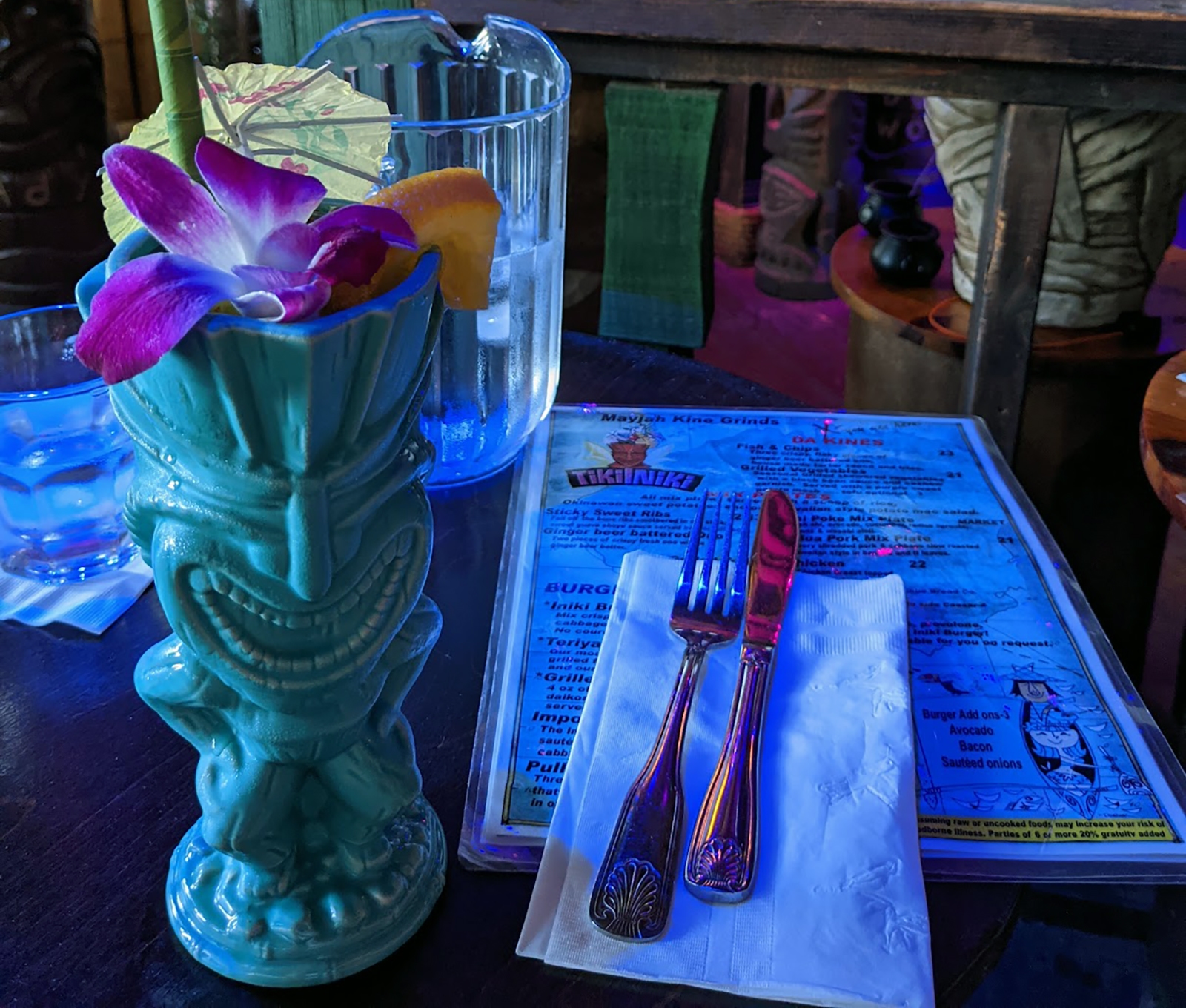
Kalypso became that spot in Hanalei. It’s easy to get into, good food, and solid drinks. The kind of place you go back to without a second thought. In Princeville, Tiki Iniki serves the same purpose, another no-brainer you may find yourself in more than once.
And when nothing else fits, or you just don’t feel like going out, you have the kitchen to fall back on.
On Kauai, food isn’t something you figure out later. It’s part of the plan.
Where You Stay Changes Everything
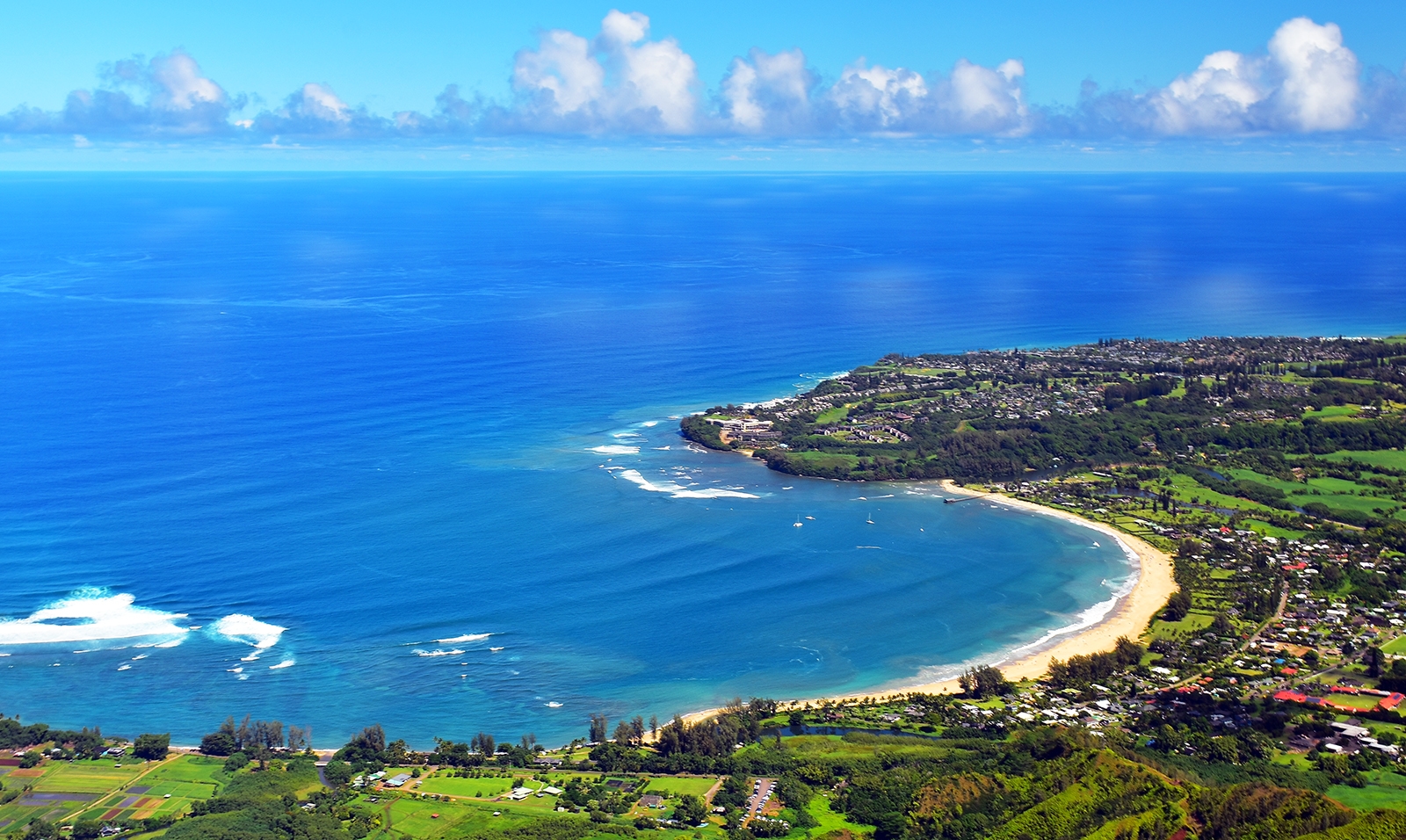
I stayed in Princeville on the north shore, and that choice came with tradeoffs. It meant longer drives to certain parts of the island, especially the south side, but it also meant being close to the places I cared about most.
Hanalei, Tunnels, Queen’s Bath, and the farmer’s market were all easily within reach.
The condo itself made a huge difference, too. It was fully stocked, including all the beach gear we needed, ready to go. Chairs, coolers, umbrellas, everything. That, plus the fully loaded kitchen, two full bathrooms, and room to spread out… we had a solid home base.
If you stay more centrally, you could reduce driving, but you give up some of that proximity. For me, staying north was the right call.
What Didn’t Fit
Even with a full week, there are things you don’t get to.
There were beaches I had on my list that I never made it to. A botanical garden I wanted to see. A few places to eat that stayed as options rather than actual stops.
But nothing that felt like a miss.
The things that mattered got done.
The Takeaway
Kauai isn’t going to appeal to everyone.
If you’re looking for nightlife, late dinners, or a packed schedule of easy options, this probably isn’t the island for you.
But if you’re there for nature, for slowing down, for space, for the feeling of being somewhere that hasn’t been overbuilt, it delivers.
You’ll deal with mud. You’ll deal with weather. You’ll deal with things not always being convenient.
Those things are part of the experience.
Kauai is the kind of place that takes a little time to understand. If you don’t go in with that mindset, you’ll spend your time pushing against it instead of experiencing what makes it worth being there.
But when you plan for it and give it the attention it deserves, it gives you something back that’s hard to find anywhere else.